



Why Wool Clothes Lose Color: A 2026 Guide
Find out why wool clothes lose color: chemical causes, washing, and remedies to revive and fix dyes. Practical guide 2026.
Combination of colours and patterns already present on the fabric
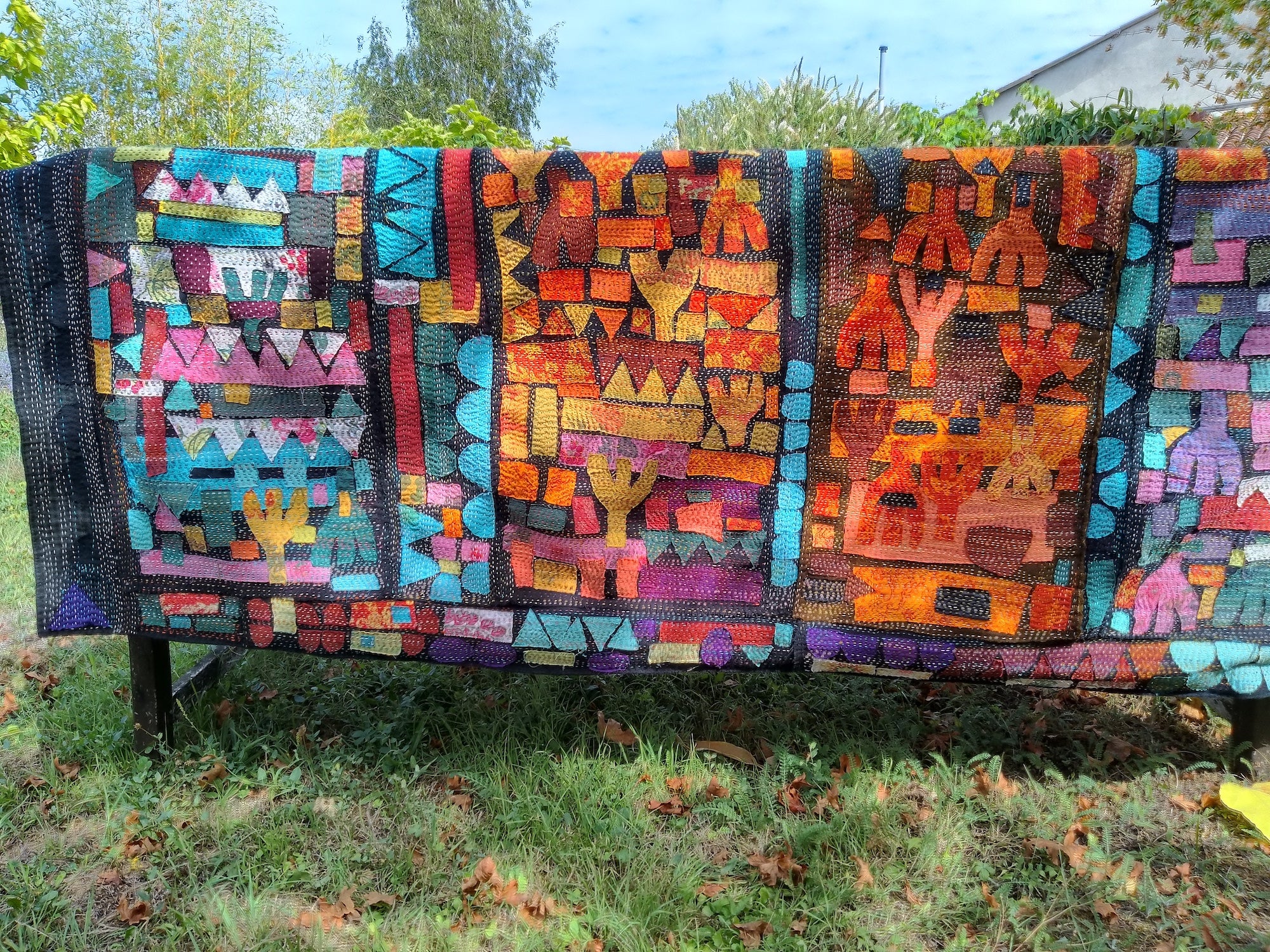
Aybel fabric dye does not replace the original colour of the garment, but works by adding to the base colour to which it is applied. Dyeing originally blue trousers red, for example, will result in a shade of purple. If the garment has different coloured motifs or embroideries, these will take on different tones according to their colour.
Discolouration
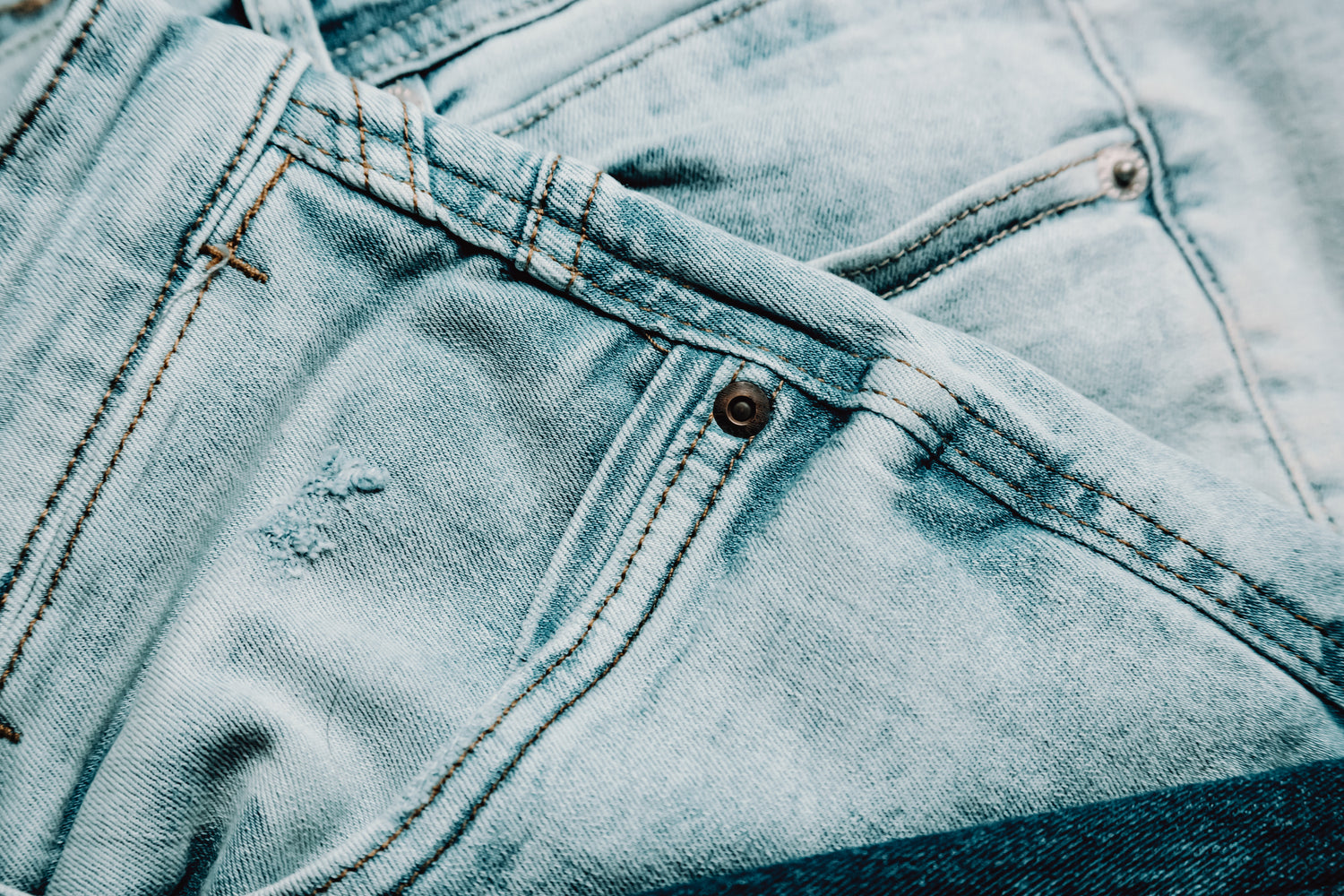
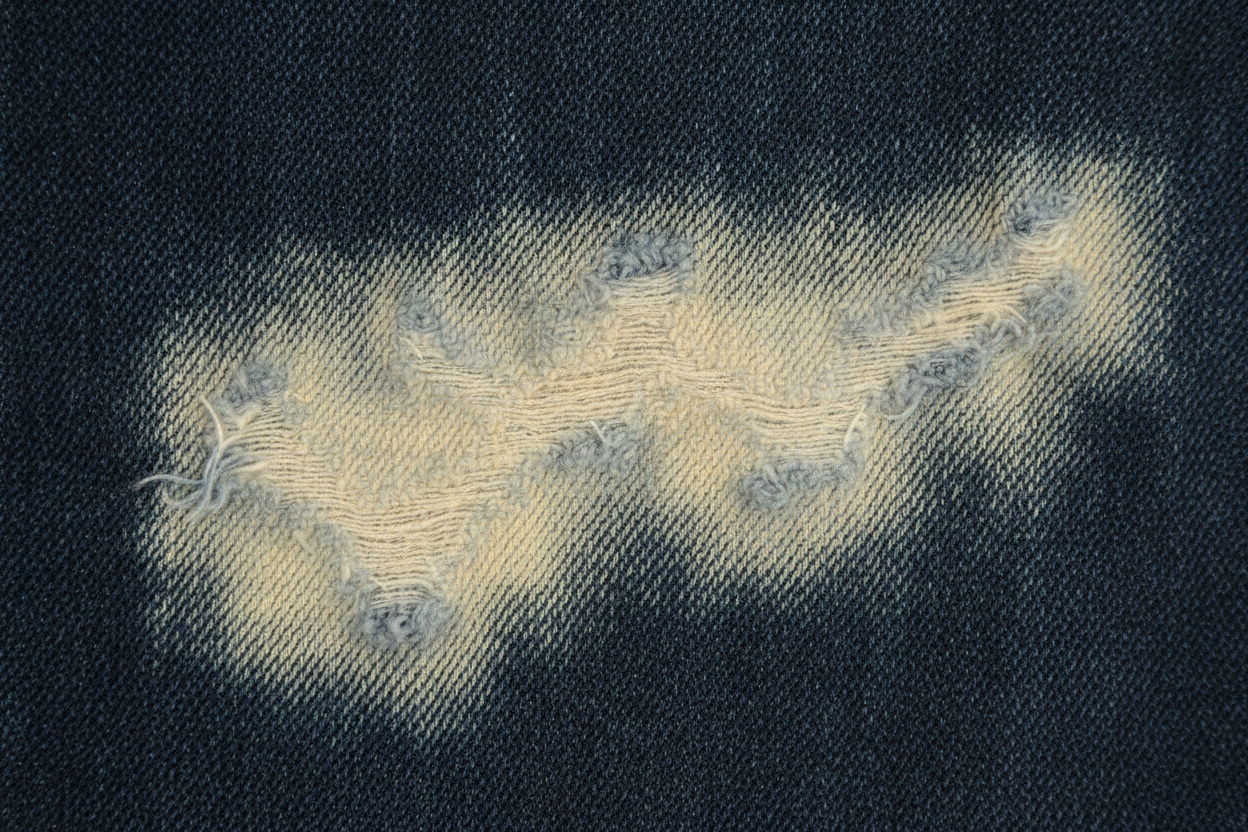
In the case of garments that are stained, unevenly faded, or too dark to be dyed in a particular colour, it is possible and always recommended to bleach or decolourise them beforehand. In this way, you will obtain a light and uniform base ready to be dyed.
Seams, linings, applications and prints
If the garment has polyester seams, synthetic linings or printed patterns, these will not be dyed, retaining their original colour. The same applies to applications such as sequins, buttons, pearls or synthetic thread embroidery.
How to avoid stains
Residues of old stains or protective products used during the production of the fabric can sometimes become visible after dyeing. It is very important to clean the fabric thoroughly before dyeing it. The use of dishwashing/dishwashing detergent often gives good results due to its strong degreasing power. However, it is not always suitable for more delicate fabrics, if in doubt ask the supplier for advice.
Prefer hand-dyeing
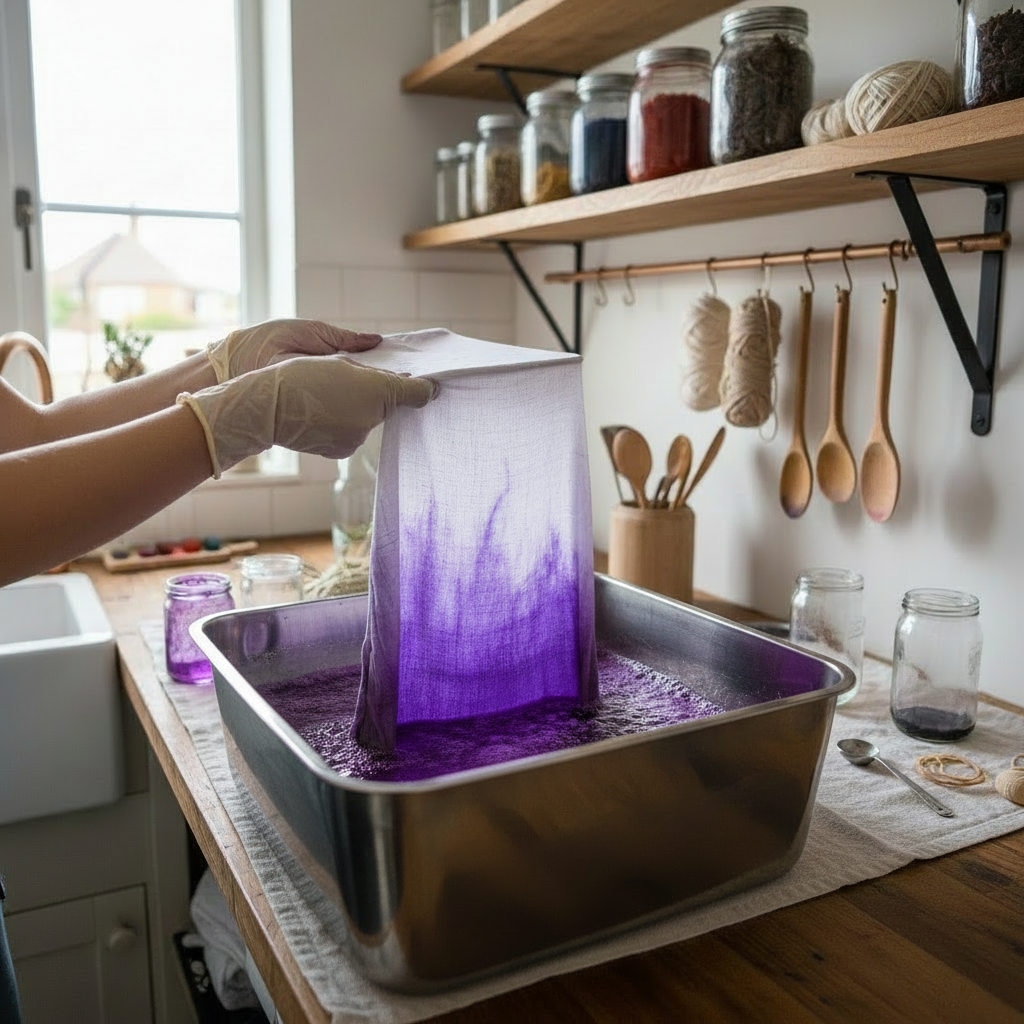
Compared to the manual process, machine dyeing is certainly easier and faster. However, dyeing by hand gives you more control over the whole process and thus better results. For example, if necessary, you can always increase the water temperature, adjust the amount of salt and vinegar or add colour to change the tone or intensity. In addition, you can leave the garment to soak for as long as necessary to obtain the desired colour (even overnight).
Water temperature
The higher the temperature used during dyeing, the better the colour will be. Clothing and fabric manufacturers, however, recommend low temperatures for washing. Materials such as wool, cotton and linen usually dye well at higher temperatures. Most wool blends, for example, dye perfectly at temperatures of 90/100 °C. Felting occurs mainly due to sudden changes in temperature. For wool, it is important to heat and cool slowly. Cotton can also usually be dyed at 50 or 60 °C, or sometimes even at 90 °C. It is possible to dye at temperatures below 40 °C, or even at 0 °C, but it is advisable to experiment first with small samples to avoid thermal disappointment or repeated rubbing. If heated and cooled gradually, wool can withstand high temperatures. A lot of information on dyeing different materials is available on the Internet. At your own risk, experimenting with water temperature can lead to excellent results.
Cleaning the washing machine
A dirty washing machine does not wash properly. Limescale residues, bacteria and dirt accumulate over time in the washing machine's pipes and filters. Fabric dye adheres to these contaminants and can eventually continue to stain the laundry. The dye therefore makes the dirt visible, without directly causing it. It is always recommended to clean your washing machine regularly according to the manufacturer's instructions. In the case of a very dirty washing machine, a professional cleaning technician may be required.
Check out our Frequently Asked Questions page where you can find lots of tips and advice
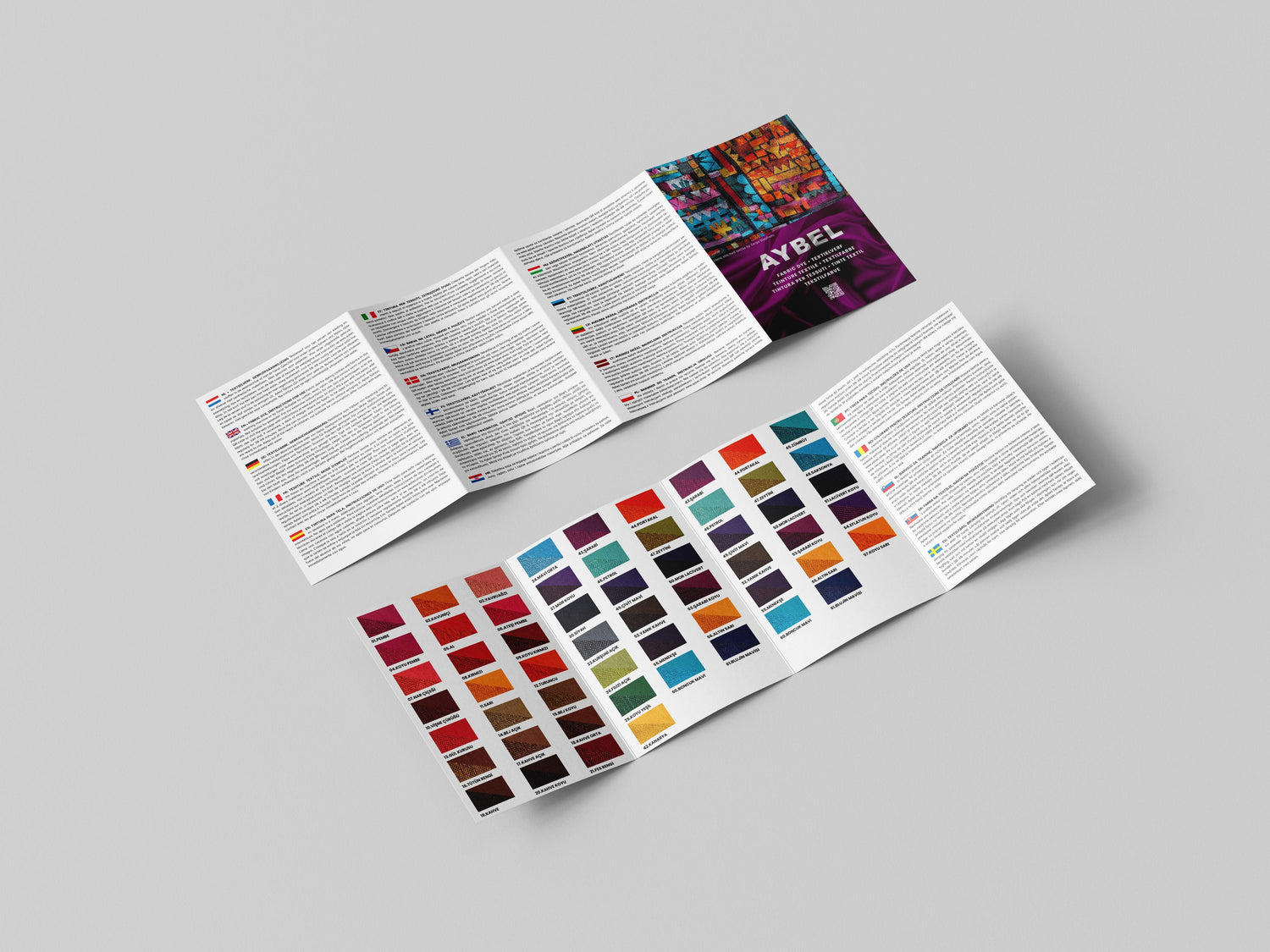
Warning: Keep Aybel products out of the reach of children. Not suitable for consumption. In case of contact with eyes, rinse immediately with plenty of running water.
Find out why wool clothes lose color: chemical causes, washing, and remedies to revive and fix dyes. Practical guide 2026.

Discover 7 ways to revive the color of faded clothes: natural remedies, professional dyes, and tips for preventing fading. A practical guide.

Discover dyeing techniques for natural and synthetic fabrics. A practical guide with mordanting, fixing, and DIY methods. Get started now.